Showing posts with label Let's Talk. Show all posts

Wednesday, 17 February 2021

February and Burnout Suck

February is never really a good month for me in general. I am saying this right here and now so you know and understand that when I say "I hate February", you know this isn't a new thing. I've had this relationship with the month since I was 20 and there are reasons I loathe the month (especially the last two weeks of the month). So, I don't like this month. 

But this February has been a weird one. Not only does my general dislike of the month has been creeping out slowly over past few days (writing this the weekend of Valentine's Day as a few days ago), but the COVID-19 situation and the world politics has, I think, slowly got to me and to everyone I know and love. 

I think this is what has happened with me and my relationship with blogging and reviewing. Don't get me wrong, I love reading and I love talking about books, audiobooks and stories. But the past few weeks/months have been a struggle for me. I find writing reviews and blogposts a struggle. And I don't think I am the only one. I've seen and read many book bloggers and vloggers as well as many others in this bookish community saying that they are struggling because of the last 12-18 months. It's been hard on everyone and we all must be kind to ourselves. 

This is why I warned at the beginning of the year that I might not review everything I read and audiobook on the Pewter Wolf or the Pewter Wolf Reads (as I am beginning to call it. Though I might change it back to Pewter Wolf as I might chat about TV, film and podcasts in the future. Possible after my Easter break [a break I missed last year due to... well... needing something to cling onto during the weird times. And I might have gone a tad too hardcore clinging to it like a lifejacket]). And I was true to my word. At the time of writing this, I have read/audiobook about 9 titles and I have only really talked about five on here. The other four (I say four, one was a short story audiobook lasting just over 30 minutes so, technically, should be three but I'm saying four and they are in the pic at the top of this post, if you are curious!) I have chatted about on my Goodreads and on my Twitter [hence, again, why I said to follow/befriend on these platforms.]. 
And all of them were a bit "meh". Two or three star reads at the most. Hence why I didn't really want to write them up on here. I want to talk to you guys about books that are four or five star reads. Stories that, if I met you in the book shop (when we're allowed to), I would rush up to you, thrust the book in your hands and go "OMG! You have to read this!" 

But yes, burnout is a reason. And pressure. Book bloggers/vloggers/grammers/podcasters/etc put ourselves under a lot of pressure and we do it to ourselves. And yes, at times, I do pressure myself into thinking "Should this be the year I bow out of book blogging?". 

But we're all in the same boat (though, not essential workers such as doctors, nurses, hospital porters, postal workers, supermarket workers and others I can name - you guys have gone through so much more and we all need to recognise that!). We are all suffering from burnout and all of us are suffering with mental health due to COVID. Which is why I will say that burnout sucks and, because of that, we all need to look after each other and ourselves. 

Because of that (and February and burnout sucking) I'm telling you now that I'm going to change how I blog. I know I said this earlier this year, but I am going to say it again so I actually listen to myself. I am going to try and take a different, much-more chilled approach to book blogging this year. They will be other posts linked to TV, films, podcasts and other, slightly weird posts, but this will still be a bookish blog. But the Pewter Wolf going to be more relaxed in posts (self-care). So, am going to go off and listen to some jazz/country music (I have started to get into that) and plot a post about TV shows I need to watch ASAP and you can shout at me for being slow. 

Look after yourselves and be kind to each other and yourself. 

Sunday, 24 March 2019

Brexit: What The Hell Is Going On?

I went on holiday a few days ago and, within those days, the news on Brexit has completely hit the fan. And as I’m trying to play catch up via reading news, listening to podcasts and looking all over social media to understand what the heck is happening? 

Now, like I said on multiply times, I don’t do non-book related blog posts that often so forgive me. You have my blessing to jump this post as, I promise, normal service will resume with books, books, books! 

So, what is going on? 

Answer: *shrugs* 

I kid you not. I’m the main person at where I work who keeps up with this stuff and even I’m confused as heck. Now, before I go on, I am not an expert on this VERY CONFUSING and VERY COMPLEX issue so I beg your forgiveness if I make mistakes.

Tuesday, 14 August 2018

Do Star Ratings Work?

Question: how many times have you looked at a book - or anything for that matter - on Amazon/Goodreads/Waterstones/etc and simply glance at the star ratings of something before deciding if it’s worth your time or not?

Answer: probably a lot. I do this all the time, even though I know that I should know better. 

The problem with doing this is that it’s simple things. And there’s no explantation on why people have given the star rating. Plus, the star rating changes depending on where you look and who you chat to. 

For example, I looked stuff up on Goodreads. The one that prompted this discussion was a book I was going to preorder and yet, when I added it on my To Be Read list, it had a ton of 5 star reviews. I know with Goodreads, users can put star ratings on books that aren’t out yet, but when the book comes out, won’t these star ratings mess the rating up a bit? 

I’ve seen the same thing on Amazon when people write reviews on how they got the book delivered to them. I’m glad/sad that you got the book is wonderful/horrid condition, but do you need to write a starred review to tell us that? What is your thoughts on the story itself? 

Wednesday, 8 August 2018

Should Book Bloggers Get Paid?

I know this is something that keep getting discussed every now and again within the Book Blogging Community aka the Blogsphere, and normally, I stay away from this as my opinions are very mixed depending when you ask me and what mood I’m in. Or if I’ve just looked at my bank account and panicking about money, which is something I do often! 

But recently, I’ve started listening to a bunch of new podcasts and watching book vloggers and they ask for listeners and viewers to support them via Patreon. They are open about the fact that they put a lot of time and work into these projects and I 100% understand. 

But it’s interesting reading book bloggers thoughts on this throughout the past few years and I started to wonder about it as a whole. 

Now, before I go any further, this is going to be rambling. I’m not going to give an out-an-out answer on this. This is me, trying to understand and figure out where I stand in this. 

My thoughts are very mixed, like I said. I feel hugely uncomfortable about the idea of being paid to write a review or being involved in a blog tour. If I read a review on a blog I trust, I would question if the reviewer was being genuine over their review or was saying that the publisher/author/PR company/whoever is paying wanted them to say, if I find out that it was a paid review. 
We’ve seen backlash when several well-known vloggers in the US reviewed a book positively, only to discovered that they were paid. 

And what about adverts, I hear you ask? Hm… If I put adverts on my blog, I would want to be super careful on what goes up. I don’t want an advert that goes against my beliefs and the values I hold dear (for example, I won’t have anything anti-LGBTQ as am a gay man. Nor would I want anything racist, sexist among other things). Plus, if I did have adverts, I would only get revenue from them if someone clicks on it. And how often do we click on an ad? Or a clickbait ad? We’re more savvy now on this. 

“But, what about affiliates,” you ask? “You can put them in your reviews and put them to companies you use and trust”. Ok, this does seem the most logical step, but what company? Amazon? Waterstones? WHSmiths? Foyles? Audible? Book Depository? Hive? See… there are so many book sellers in the UK and there are so many forms of books - physical, ebook, audiobook - that instead of doing one, I would have to have several. And again, I would only get revenue from them if someone clicks that link to get a 30 day cookie and buys something. And even though, how much would I get if someone did that? Not very much - it’s between 5% to 10% on some of the sites I’ve looked into. 

What about Patreon and Ko-Fi? I mean, listening to podcasts and watching book vloggers saying they use Patreon and Ko-Fi and I get why. How pricy is a microphone, a camera, editing software? But for a book blogger such as myself? All I need is my laptop, wifi (which I can get free in most coffeeshops), a book or my eReader and not much else. Wouldn’t that feel a bit cap-in-hand?

Plus, would it be even worth it? I am not a huge blog. Hell, I am tiny! Really under the radar.  Would it be truly worth it for me to have an affiliate or a patreon/ko-fi? And do this while getting copies of books from publishers for free? 

See, that’s where I get stuck. Publishers, authors and publicity people are sending me books and ebooks (and making them aren’t cheap) and then, I would making money on the back of it. 

“But, hang on,”I hear you counter-argue. “They use your blog for free advertising and they make profit from that when the book sells. Doesn’t it seem unfair for you to do this for free while they make profit?”

This is something I have been questioning for at least a year or so. Me wondering if I should have something so, if you click it, I get some money. Money that I can put into the blog - buying my domain name, paying someone to create business cards for the blog or create a really cool banner, using the money for train fare when I got to events. But then I would question if it’s wise/sensible to ask for money from the blog’s reader, which then makes me question my worth and the blog’s as I have spent how much time/money/energy into this blog - a hobby I enjoy - which then makes me feel guilty because this is a hobby, plus I’m asking for money. This, in turns, makes me worried about money, my and the blog’s self-worth, which makes me think about using affiliate and thus, the cycle continues, though I do leave it a month or two before I go back into this rabbit hole. 

While I was on Twitter a few days/weeks ago, when I was thinking about writing this (or halfway through), I asked if other bloggers I know use affiliates and feel guilty about using them, and though only a tiny handful of people replied, most said the same thing: “I barely make any revenue from it so why feel guilty over it?”

I could go on about this. About me trying to figure out this as it does feel very much a mortal and it varies from person to person. For some people, this is a no brainer while to others, this is a bad idea and won’t go near it. 

For me, I think that, while I am totally against being paid for a review, I do feel less against using an affiliate and the forms of revenues, as long as they are sensible and for the blog. This would be my thread of thought, and if/when I finally feel comfortable about using affiliates/adverts/patreon/ko-fo/whatever, I would use what I feel is the best and most comfortable for myself and for the blog. 

But like I said before, this is a moral decision and it’s up to each blogger, vlogger, podcaster, creator to decide what is comfortable for them.

Friday, 9 February 2018

A Body Image Query

I don't own a full-length mirror or bathroom scales.

Yes, I know that's a weird way to start a blog post but bear with me. It will all make sense in the end.

A few years back, I wrote one of my fave blog post - mainly because it took so long to research and write up - which talked about sex educations in schools and wondering if it's a little outdate and should be updated to tackle consent, physical and mental health, asking whether TV programmes and soap opera should talk more openly about safe sex and STD, and on body image.

I am hugely proud of this post and have always gone "There's stuff in here I want to talk further on" but never really gave it much thought. Till November of last year. I was on holiday in the Lake District and, when I was on the hotel's wifi/4G, I checked my instagram for some stupid reason and saw three photos of people I follow being shirtless and doing gym progress in very quick succession.

And I felt... It's hard to explain, but I felt... off... 

Now, I am not saying "How dare these people post these images!". I have nothing against these pictures and yes, some pictures I have seen on here since then are hot, but I have moments when I look at myself and go "God, I wish I had more muscles in my arms, chest, stomach...". A little while later, I'm usually fine. I like my body. Ok, I didn't love it - I never love my body, but I accepted it and was enjoying eating delicious food and not thinking about my mental wobble over my body image.

A few hours/days later, I kept thinking about those images - no, let's rephrase that. I keep thinking about my reaction to those images, trying to figure out why I felt inadequate and uncomfortable in my own skin, wondering why this was a big deal and why wasn't I not letting this issue drop. I kept circling back to it. If I dislike the way I looked, why don't I do something about it? Well, I like my body and I don't want to. I like my body... I think.

See. It's the I Think that got to me. Where did that come from?

I've had this I like my body, I think feeling for a good few years. Years and years ago, I went to Alton Towers/Blackpool with a bunch of old college friends. The place we were staying in had a swimming pool and on the last day, we thought we would try it out. We changed and out of the four of us, I was the one with my arms crossed over my chest and stomach while the others didn't. And here's the thing: I was the skinniest one out of the four. So why did I react like this?

Now, I am not an expert in this. I'm not, but is it the world around this? Or is it all in my heads?

Sadly, I wonder if it's both. We're told from a very young age that if you don't look or behave a certain way, you are not pretty or handsome or good enough.

We see this in books, TV, magazines, films, fairy tales. And now, we have the internet and social media that give us a snapshot of the "perfect life". Which we all know can not be real... but we kinda want it to be?

This is a really weird and complex thing to talk about. Because every time I think I have a handle on it or understand it, something new always creeps up or I talk myself round in a circle.

In magazines, models are told to look a certain way and even when they do, they are photoshop. In TV shows and films, if the person looks hot, they are shirtless or wearing very little to remind us of this - how many times in Game of Thrones, Neighbours, Hollyoaks, or a Marvel movie (for example) have we see the "hot" actor shirtless? Am sure in nearly every Chris Hemsworth movie I own or watch, he either is shirtless or in a very tight top in the pouring rain at least once.

And on the internet (let's include social media in this as well), it's so easy to find pictures or video of good looking people. Porn is just a click away and most porn actors fit one of several looks to fit your fantasies. And the same with social media - I follow some people on social media who do fitness and I like following them. It was only in November (and then one every few weeks since then), when I liking their pictures that I go "Huh... am I follow you because I like you and your content, or am I following you because you're good-looking? Am I that shallow and vain?"

Maybe this is the wall I keep coming up again. This idea that we have become a vain society. I don't think we are vain, but are we, on some level, lusting after these ideals of what perfect is and, unless you have the time, money and will-power, we will never get it.

Also, you might have noticed I wrote and in my own head. Well, I kind of a pessimist. Am trying to get better at this, but I have doubts all the time. That I'm not good enough. Good enough son/brother/lover/uncle/friend/etc. And this pessimism creeps over into other things. That I'm not good looking enough, not smart enough, not book blogger enough. I always say at blogger events that I feel like I'm a fraud, waiting for someone to realise that I'm not meant to be there and will be exposed for the liar that I am.

Which made me wonder if this is how it works. A bit like a vicious circle. If we doubt ourselves, then do outside forces make us doubt ourselves and our worth more? Or does some outside force make itself known to us and then, because of this, we begin to doubt ourselves?

I know I have probably opened a huge can of worms and I can't answer them. But I wanted to get this off my chest and out of my system because, if I don't, it will just sit in my head and it will eat away at my brain (I started writing this at the end of December and keep editing it since then so you know it's one of those mental things that I won't stop thinking about). So... apologies for the rambling. And maybe now, I can look at this more and try to take this quote to heart (I love it and I agree with it, but me putting it into practice is a little harder...)

[Sorry for the bad language]

Saturday, 16 December 2017

Johnny Depp - Toxic To Harry Potter?

Before I go any further, I just want to say that this post, for some people, might have triggers so if you feel uncomfortable about reading this post, please don't read. I want you to stay safe physically, mentally and emotionally. 

That's why am going to insert a page-break here so, if you do want to read about Johnny Depp, his involvement in Fantastic Beasts, the allegations and me trying to figure out how I feel about this, carry on reading. If not, please don't read. 

Sunday, 27 November 2016

Who Owns the Story?

This is something I keep coming back to. It doesn't happen often that an idea keeps coming back to me. I chatted about it a while ago for the Bookish Brits in a roundabout kinda way a few years ago. Since then, I think about it when something happens or a debate flares up. Then I carry on with my day.

But in the past few days/week, events have happened on TV and books that made me go "Ok, I have an hour spare, let's try and write this up".

So, question: when a story is released into the world, who owns it?

Before you all go "That is a stupid question!", hear me out.

In the past few days, the TV show Gilmore Girls has released 4 feature-length episodes and we have been told that the final ever (to my knowledge) episode will end with 4 words. These four words are important as these were the words the creator of the show, Amy Sherman-Palladino, always wanted to end the show on. But, due to events (aka her leaving the show at the end of season six due to network and then the show getting cancelled the following season), fans never got them. Now, fans have seen the show and have heard the words, it's thrown a mix of reactions. Some fans are excited, and others... not so much. 

This is the same with How To Get Away With Murder. In the winter finale of season three, we discover that one of the main character is dead. This is a huge shock for fans as it's such a small cast... and fans reacted with shock and panic and "This is going to ruin EVERYTHING about the show!"


This is the same with books, films and radio. Remember readers react when they were reading Veronica Roth's Allegiant? Or film goers reactions when they were watching the Hans scene in Frozen? Or certain moments in BBC Radio 4's The Archers while it was tackling Helen's domestic abuse storyline? Or fans reactions when JK Rowling shot down a question on whether Sirius Black was gay? 

Yes, these stories belong to the creators. But once it's out of their hands/control, does it still below to them? 

Technically, yes. It does. Open up any book and you will see, on the information page, that story's copyright belongs to the author. With TV shows and films, the ownership belongs to either the broadcaster (BBC, ITV, BSkyB, etc) or the production company (Warner Bros, ABC Studios, Endemol Shine Group, etc). 

But... and here is where things get a little tricky with my thinking. Has anyone heard of the term "The Author is Dead"?

The term means that, once the story is out of the creator's control, they no longer have input. Because all the information should have been told. So, some people would say that, unless certain information/facts are put into the story and the creator states it in an interview or on their website, that information isn't valid. 

So, this would mean things like Pottermore wouldn't count because it's "outside" the story. 

Let's stay with Harry Potter. A good example of this is Sirius and Lupin's relationship. In the books, they are shown as close friends. In some parts of the fandom, fans wonder if they were gay or bi and might have feelings for one another. It's never stated in the books that they are gay or bisexual so fans can say that they are. JK Rowling tweeting that Sirius isn't gay is null and void because of the Author is Dead and this wasn't in the story. 

Let's say one reader who has read the Harry Potter novels has always read Neville as having autism. There's nothing in the book confirming or denying this, but if the reader sees Neville this way, then there's nothing wrong with that. This reader just reads a character different, compared to another reader who might say "I never read Neville as having autism. But I always read Luna as Muslim." Which could be different from a third reader going "Never saw Luna or Neville that way. But I do think Dean Thomas and Seamus Finnigan are in a same sex relationship". A fourth reader might go "Really? Never saw those characters the way you guys have, although, I've read Professor Flitwick as a baddass transgender..."

And I could go on and on. You see, every reader comes into a story and away from a story differently compared to the next reader. 

These readers might read any book - say, Fangirl by Rainbow Rowell and all could say "I saw Cath, Wren and their father as black" which goes against what most illustrations show.

But these ideas that readers have could go against the creator's own. 

So, who's right? The creator or the audience? 

My theory? Both. Yes, the creator created this story and we, the audience, must respect the work and their own ideas. If the creator says "I wrote a character this way because ...", the audience must respect this is how the author saw them.

However, this is the two-way street. Just because the creator saw this character one way, doesn't mean the audience should either. If they see said character a different way, the author must respect this, not try and shoot it down and go "No, you're wrong!". The creator should go "I thought of them this way, but if you see them different, that's ok." 

It works both way. Stories and information isn't going to be please everyone, but we should respect each person's take on stories, characters and themes within the story. Respect is key. 

Tuesday, 27 September 2016

Putting Books Up On A Paddlestool

I know what you guys are thinking. I saw Harry Potter and the Cursed Child on Saturday and you want to read my thoughts and reactions to it. And I will write my reactions to it once I have digested it... and figured out how not to go on spoiler on you (yes, I know I did with the script but the play is different).

But instead, I wanted to write this instead. And before you think this is a review, this isn't. Hell, I am not sure that, in my current state, I can review this book.

Ok, question: have you guys ever read a book that you are so very excited for, only to start reading it and it doesn't live up to your expectations?

Now, no lying. Am sure we all have. I know I have. And recently, I had this with Barefoot on the Wind by Zoe Marriott.

Ok, here is the thing. I LOVE Zoe Marriott - well, the books I have read by her - and with this book, it ticked every box. A fantasy retelling of Beauty and the Beast set in a mystical Japan? Where do I sign up?! I was so excited to read it!

So when I did, I struggled. I know I have been going through a bit of a possible "I might be falling into a reading slump and I won't let that happen as too busy to be in book slump" phase, and I know I jumped about reading short, fast eNovellas and audiobooks so I never settled on Barefoot on the Wind, but it didn't hit the mark with me.

But why? I have been excited about this book since I first heard of it and yet, reading it, I felt off balance with my opinion over it (hence why I am not reviewing this now. I want to reread Barefoot of the Wind before I make up my mind fully). Is it because the story isn;t that good or, is it more likely that I put so much pressure for this book to be perfect that it was doomed to failure before I had read the first page?

This is something I have been wondering from when I was about halfway through the book and, the more I thought about it, the more I went "Did I do this? Have I put a too much pressure on a book to be perfect that the story was never going to be? Am I the problem here?". And it made me think.

There have been books in my reading past that I have read that I have been very excited for and it never quite hit the level I expected it to be. I can listen tons of books that were not quite perfect, and yet, when I have reread the story a few days/weeks/months/years later, I have fallen madly in love with it or something finally clicked in my brain.

For example, Harry Potter and the Order of the Phoenix. When I first read it, I enjoyed it - it's Harry Potter, people! - but I remember not enjoying it compared to the others. But, a few years back, I reread Order and went "OH! OHOHOH! This is great! Why did I dislike this book so much?!".

But, I sense, this could work the other way round. Read a book and love it, only to reread it later in your life and go "What on earth was I thinking?!" *eyes several books I read a few years back that I know that, if I reread, I would be horrified*

So, what can we do to lessen this "Put This Book On A Paddlestool"? Something we all do?

Not much, sadly. It's in our nature, as awful as it sounds. But what we could do is be open to the idea that the ebook might not be perfect. That this book might not be as wonderful as we hope and we have to accept that it could be our expectations are too high.

Or maybe, if we read a book that we had high hopes for (and it misses the mark), maybe we should reread it a little while later...

What do you guys think? Have you have read a book you've bene hugely excited for and it didn't tick all the boxes? Have you reread it months later to find you enjoyed it hugely?

Wednesday, 31 August 2016

Why Are Our Main Characters Always Nearly White?

I wasn't going to write this today. I was going to write this once I knew how to write this better. I didn't want this post to feel either like I was screaming into the void, preaching to the choir or saying this and have someone going "You Racist B******!"

But before I go further, if I offend anyone reading this post, I didn't intent to upset or offend. If I did, please accept my apologise and I won't do it again.

I first thought of this just after I read I'll Give You The Sun for the South Bank Centre's YA Book Club. I read the book, I enjoyed the book, I wrote my review, I was excited to talk about this book. But a few days after finishing the book and before the Book Club day, I suddenly thought "Why did I imagine these characters as white?". There was a reason for this sudden thought. But I went "Ok, why? Why did I do that?"

The reason, at the time, was simple. I related to Noah, a young man who was struggling with his sexuality, and as someone who has been in that situation, I saw him as a younger me and, because of this, his family (his twin sister and his parents) were white in my head. I didn't ever really give it much thought, nor did I with two other characters - Noah and his sister's love interest. They popped into my head as white.

But there was another character - an artist called Guillermo - who I imagined being of Hispanic. But it unnerved me that my brain made that jump. That I saw these characters as white.

There was no line within this book that said Noah, his parents, his sisters, their love interest were white. So why did my brain jump to that conclusion?

And that more I thought about it, the more I realised that this happens in books ALL THE TIME. I looked back over my books/audiobooks and I realised that unless the main character states that they are a person of colour, is shown to be a person of colour on the book's cover or the author is a person of colour themselves, the main character doesn't point out their skin colour which leads the reader to believe them to be white.

This also works with official art. In the case of reading Rainbow Rowell's Fangirl, I saw one of the characters - Reagan - as black. She wasn't described as black, but that is how I saw her. So, when I saw the official art that was published into my copy's front cover, I was shocked to see that Reagan was white. My reaction: "No. That is not Reagan." then I looked at all the characters "Are... are all these main characters white?"

This was stated much more beautifully in a recent episode of a podcast I listen to - Oh Witch Please. In this episode (full of Cursed Child spoilers), they talked about the casting of Noma Dumezweni as Hermione in the West End show and one of the hosts (I believe it was Hannah, correct me if I'm wrong) said this line:

"... and how revealing that was to so many of us of how we continue to treat whiteness as the status quo, whiteness as the default, that a character doesn't need to be marked as white but must be marked as non-white, and if you do not explicitly mark a character as a person of colour then it means that they are not and you are absolutely not allowed to imagine them that way."

This, to me, hits the nail on the head. Why must a character state "I am a person of colour. I am BAME (Black, Asian, Minority Ethnic)" but a character that doesn't is instantly classed as white? It's not stated, so why do we instantly think that?

Furthermore, what can we do to change this? Can authors do more? Can they make their leading characters a person of colour without the character stating something about their skin or remarking that the Police are going to stop search them (it's a sad fact that, in the UK, there is a higher chance of a person being stop search if that person is are black)? The author could call their character a name that shows to the reader that the character is a person of colour, but there are people who have traditional white names who are BAME so what should the author do then?

Is there something the book's editors and publishers do? Can they do more? Could they read a story and ask for there to be more diversity? But, if they do that, isn't that messing with the author's vision for the story? Is that a dangerous thing to do as, if this happens, storytellers would slowly begin to feel that they can only tell a story if they tick every box within diversity that their editor/publisher asks for?

Is there something we readers can do? Can we see this and instead of thinking "This character is white" without a moment's hesitation, we stop and go "Ok, let's blind cast this character" (Colour-blind casting [also known as non-traditional casting or integrated casting] is a term used in the media for "... practice of casting a role without considering the actor's ethnicity" and has been used in recent TV shows and movies, such as Grey's Anatomy, Merlin, Fantastic Four, The Dark Tower just to name a few)? 

I, sadly, have no answer. I wish I do, but I don't. Hence why I am writing this post. I wanted to talk about this and see if we could start a conversation. Figure it out together.

But what this has made me want to check my white privilege.

Monday, 22 August 2016

How I Live Now - Some Discussion Points

As you guys should know, I chaired/moderate a YA Book Club this Saturday just gone for the Southbank Centre, as part of their Festival of Love (and hopefully, they will continue to do this in the future. They are some great books coming out in YA and in crossover that will be great to discuss - not just do we like the book or not, but on bigger subjects such as race, sex, gender identity, feminism, mental health, what it means to be human, etc). As you know, this month's book was How I Live Now by Meg Rosoff. Now, I know most of you love this book and, if you have read my review yesterday, I strongly disliked it.

But what I found with this book (and last month's, I'll Give You The Sun by Jandy Nelson [review for I'll Give You The Sun is here and discussion points are here]) is that these books are rich with discussion! And because I am feeling kind, I thought I would, again, share some of my discussion points - yes, it's that bit at the end of some books that are super useful for books clubs.

Before I hand over some of my points, I just want to say thank you to the South Bank Centre for asking me to moderate the YA Book Club & the the people who came! Now, with that done, let's show some discussion!

Monday, 8 August 2016

Is Cursed Child CENSORED?

Just when you thought it would be safe to return to the Pewter Wolf and read things un-Cursed Child related, nope! Not happening. As much as I want to keep the secret and wait quietly in the corner till I see the play in late September (where my opinions will either change for the better or for the worse), there's one or two things that I can't let lie.

This post started life as something completely different. Something I will touch on and will remain within the posts core, but after watching someone's reactions on YouTube (which I won't link now because SPOILERS!), this post changed so it's two themes merged into one.

So, like before with my Did The Cursed Child [CENSORED] The Fandom post, if you have not read the script or seen the play I request you don't go any further in the post. Spoilers ahoy! Page break coming! You have been warned!

Sunday, 7 August 2016

Did The Cursed Child [CENSORED] the Fandom?

I've been wanting to write this discussion post about Harry Potter And the Cursed Child very quickly after I read the script and chatting to some people on Twitter. It feels important to me to write it and discuss.

However, to do that, I have to reveal some spoilers and I feel a bit uncertain on doing this. But after doing a poll on Twitter and chatting to a few people on Twitter, I feel comfortable enough to do this.

So, before I go on, I must state two things. First, this is from me reading the script. Just reading the script. I am not seeing the play till the end of September 2016, so my views might change once I have seen the play. But, at the moment, this is SOLELY on the script. And second, as I am revealing spoilers (one or two spoilers, not all, FYI!), if you haven't seen the play or read the script, you need to leave now. I am going to talk spoilers in a line or two.

But before I say "Go now!", I wanna thank all you peeps on Twitter who I chatted with and made me go "Oh yeah, that's interesting point." (aka Michael, George, Julianne, Kate, Rob, Charlie & Rachel). So, am about to go all spoiler on you so run away. Page break is in place so BYE non-spoilery people!


Wednesday, 13 July 2016

I'll Give You The Sun - Some Discussion Points

As you guys were aware, I chaired/moderate a YA Book Club on the Saturday just gone, as part of the South Bank Centre's Festival of Love. The book was I'll Give The Sun by Jandy Nelson. Now, to get myself ready for hosting this event, I read the book and made notes on everything that caught my eye and thought would create a good discussion.

I thought that made you should see a few of them. Not all - I might be using them again for next month's YA Book Club read for the South Bank (How I Live Now by Meg Rosoff). But I am curious on what you guys think on these (if you've read the book). Basically, this post is that annoying section at the back of that book, aimed for book clubs.

So... here we go!


  • Before we go into book, let’s talk cover & blurb (read blurb if needs be). Do these reflect the book actually?
  • How do you guys feel about this book covers the South Bank’s description of “cover themes such as Modern Love, Digital Love, Love as Social Action and Art & Love.”?
  • Touching on from this, the pages within this are covered with paint splatters, brush strokes (mainly within Noah’s timeline - more on that later). Did this make you feel connected with Noah & Jude’s art? 
  • I mentioned timelines. This book has dual narrators - Noah at 13/14 and Jude at 16. Did this work for the story? Did you enjoy reading these voices? And does the age between the narrators help us with the story and understand the characters. 
  • Noah is gay and tackles a same sex relationship, which means some people would call this a LGBT novel? Is this solely an LGBT book or is there more to it? 
  • Do we feel that this book is about first love and family? Or is it grief?
  • Speaking of grief, Jude’s knowledge of diseases and her stating facts she knows about diseases, is this a sign of her’s (or the author’s) belief that guilt is a disease? 
  • Earlier, I mentioned art (a theme we’re going to jump back and forth on), but Jude is more spiritual. She reads Grandma Sweetwine’s bible and she talks to her and her mother’s ghosts. Why are they important to Jude’s story?
  • Why do we think all the characters within this book are damaged? 
  • This book tackles underage sex. How do we feel about this? How do you feel this subject was handled?
  • How do we feel about the ending? Do we like that it was all wrapped up in a “Happily Ever After” or was it too neat? 
  • Wednesday, 22 June 2016

    Let's Talk Tomorrow...

    You might be aware that tomorrow is an important day for the UK. Now, I want to touch on this super quickly but am not going to be boring and tell you who the vote for.

    Also, if you are too young to vote or not a UK citizen, you don't need to read this. Carry on as you are.

    Ok, let's talk. About this EU referendum. Now, I know some of you are confused on this and I fear some of you are reading this, saying "Tell me who to vote for?" and I won't do that. I am not going to force my opinions on you.

    However, to those of you who can vote and decide not to vote, this is where I kinda want to talk. So, bear with me.

    As you guys are fully aware, I am very suspicious over the government and politics in general. I actually wrote a blog post about my fears prior to the General Election last year (you can read that here! Or, if you don't want to read that, my blog post of sex education [probably one of my favourite/hair-pulling blog post I have ever written/researched] might be more up your street). But in that post, I said I know how lucky I am to vote.

    This is something I am going to repeat. I know how lucky I am to vote on this. Hell, I am lucky to have a vote, period. I know that in some countries, people can't vote because of their gender, their sexual preference, their government isn't a government but is either a dictatorship, beyond corrupt or the government doesn't care about the suffering of their own people. I get this. I do. I don't want people to think I don't understand how lucky and privileged I am to vote.

    But I also know how most of you feel. You feel like your voices aren't being heard. That some politicians - some, not all - aren't listening to us.

    That is why us voting is important. This is our voice. This is our chance to be heard.

    Now, here's is my problem. I am scared that this vote, this decision, will have long term repercussions. If we remain in or vote out, there will repercussions for all of us. Not for us now, but for future generations.

    To those of you who aren't going to vote - which is your decision and your right to do so - I would say please reconsider. This is such an important vote - probably more important than last year's general elections - that not voting is a very risky move. Do you really want someone else deciding not only your future but the future of your country?

    If you decide to still not vote, can I ask you one small favour? If you decide not to vote, can you please then not moan/whine/have a tantrum over the decision in the coming weeks/months/years/etc? You didn't vote, therefore you don't have the right to complain about the decision made.

    Sorry for this blog post. I just want to get this out of my system as... well... I'm a little apprehensive of what's to come.

    Monday, 12 October 2015

    Let's Talk Sex Education

    Before I go further into this blog post, I just want to make one or two things clear. First, it has been YEARS since I was in secondary school. YEARS! I can barely remember what I was taught, so I might be misremembering those classes. And second, any mistakes or errors made in this post are not the fault of the outside forces/help, but my own.

    Ok, now we have that out of the way, let's talk sex education. Now, this subject has been on my mind for a while. Weeks/months, really. I don't know what made me sit down and think about sex ed, but I began to wonder. Wonder how sex education are taught in the UK. I'm not sure why exactly, but it became a germ in my brain. I had to find out more about this subject. Try and understand it, while trying to turn this into an out discussion.

    So, I emailed the Department of Education. I went to the website and emailed them, asking questions about sex education. I asked when sex education is taught, how many lessons of sex education is taught and whether sex education includes sex education for same sex couples?

    I got a reply back, but it didn't exactly answer the questions in a way I was happy with. While the Department of Education stated that sex education is important that secondary schools MUST teach it (it is compulsory) and teachers themselves decide when their students should be taught sex education.  No answer was given about how many lessons are taught nor is there is sex education for LGBT teens.

    But there are problems with this. The first is that that teachers themselves decide when their pupils should be taught. But in most secondary schools, students have several teachers, one per subject. So, which teacher decides that the students in the class is ready for sex ed? And what happens if one teachers feels the class is ready and another disagrees? What happens then?

    The second is that if you a gay teen, sex education for same sex couple isn't compulsory, though people would like this change. It depends on the school is question. But if the school decides against this, gay teens have to look elsewhere.

    And this is where the problems lies. Sex education is about teaching teens about sex and safe sex in a safe environment. The word here is safe. If students don't feel like that they can be taught sex in a safe way and could open discussion, again in a safe way, teens will look elsewhere and in a world where sex is everywhere, it becomes unfiltered and might be unsuitable for those trying to understand safe sex.

    Now, before you guys start going "Are you saying sex education is useless?", I'm not. I think it is hugely important. But, in a world where sex is everywhere - and I mean, EVERYWHERE! - what could sex ed do in the future to reflect the world around us? How can we be more open and discuss sex ed in a way that doesn't make us want to cringe and be all British and prudish?

    Like I said earlier on, there is a ton of outside forces talking to us about sex. Sex sells in advertising, hence why we see men and women wearing very little clothing. But sex is in everything - we see sex in soap operas, TV shows, films, radio programmes, web series, advertising, video games. It's not exactly hard to find porn online - a quick Google search and you're away.

    But let's look at sex in soap operas. How many soap operas show their characters having sex or one night stands? Quite often. Ok, how many of these are unprotected and led to unwanted pregnancies or STDs? Again, quite often. How many characters, after having a one night stand or leaving a long term relationship, goes to their doctors and ask for an STD test? Er... not many. And if they do, it's only after they are told that they might have an STD? No character, to my knowledge, gets tested because they think it's safe. How many characters in soap operas do we see buy condoms or other safe sex protection?

    But we see characters go buy pregnancy tests or have the morning after pill. So, why is this ok, but not characters buying stuff to keep them safe?

    While we're talking about soap operas, these and other medias could be seen as putting pressure of both young men and women to, not only be "perfect" but also degrading people in a way that young people could very easily see members of the opposite sex as not people, but as sexual objects.

    For example, these two videos from Feminist Frequency show how certain well known video games treat women. Just look at how the Resident Evil treats their lead female characters and outfits that players can unlock.


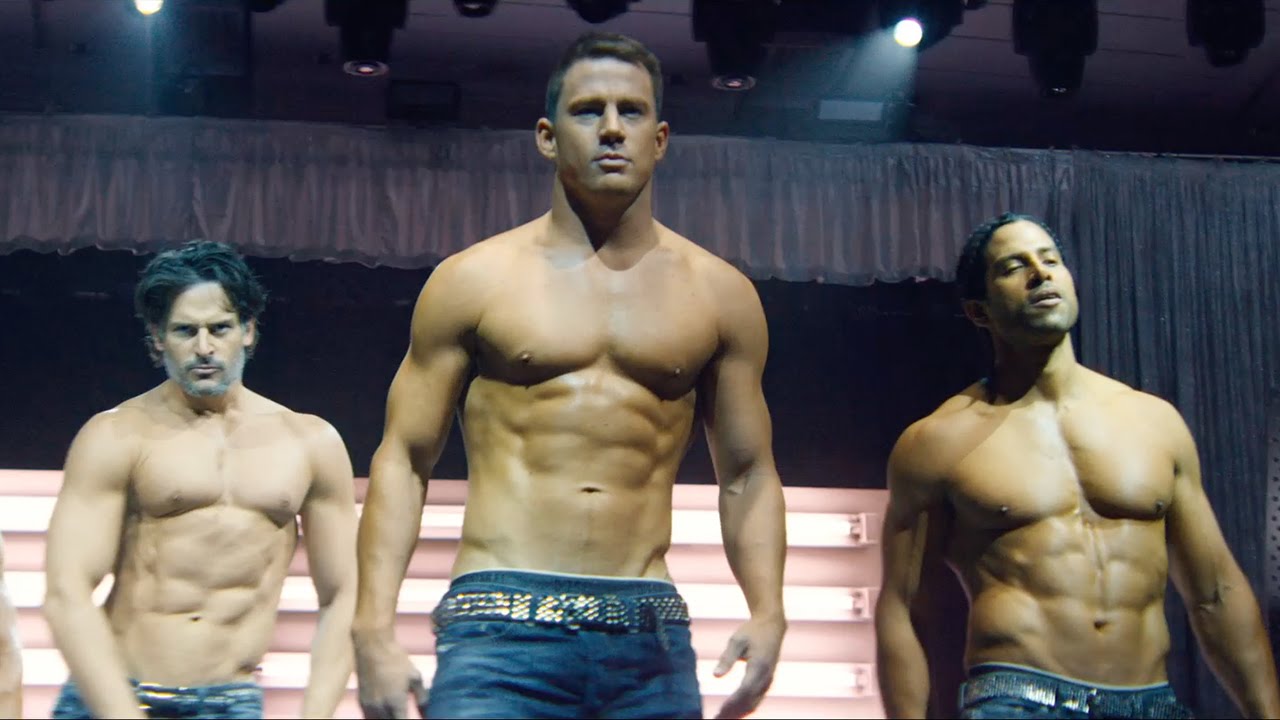
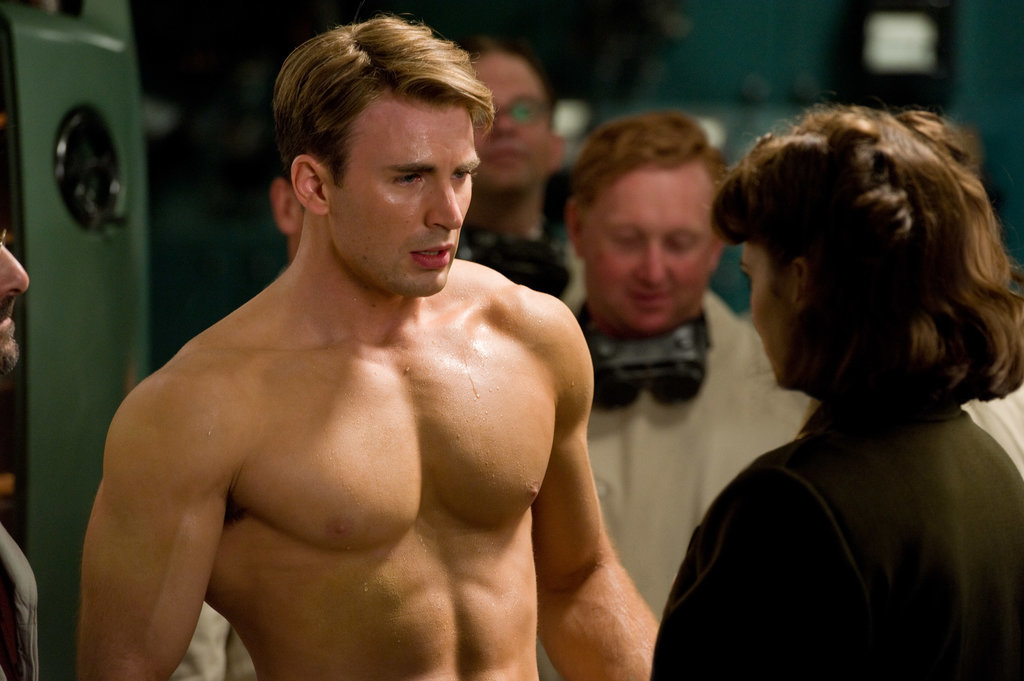
    Young men are being pushed this ideal of what the "perfect" man should be also, though this seems to be far more recent development. An example of this is in popular films and TV shows such as Captain America, Thor, Magic Mike, New Moon, True Blood and X-Men to name a few. 


    Because of this, some people would point out that teens developing eating disorders and body dysmorphia have been on the increase. In male teens, this has increased sharply compared to ten years ago. 

    If this is the case, why isn't this taught in sex ed classes, where students are told that they don't need to change to fit what the media or outside forces are telling them is "perfect" and "normal". 

    And if this is the case, should we bring in another subject that is kinda important to sex education: consent. 

    Consent is important in sex. Hugely important. It's important for teens (and adults - because there are some adults out there who seem to forget this fact) that when someone says no, it means no. So, in sex education classes, should consent be taught? 


    Like I said earlier on, I am not saying sex education is failing students. It isn't. But sex education in schools needs to reflect the world we are currently living in. Opening up the discussion about sex education to teachers, parents and teens (maybe even doctors and GPs) in a way that makes sense to everyone involved but to show that safety is important. 

    I want to stress again that I might be wrong - and if I am, I am sorry for getting information wrong or coming across like someone who doesn't know what they are talking about, but we need to open up the discussion.